November 12, 2026
Heavy equipment handling is essential for construction, industrial development, and infrastructure projects. Moving oversized machinery, structural materials, and heavy components requires careful coordination, suitable equipment, and experienced operators.
Professional crane services help businesses manage demanding lifting tasks, position materials efficiently, and address jobsite safety considerations. Understanding the role of specialized lifting support allows construction teams to coordinate complex material movements, navigate logistical challenges, and maintain productive project schedules.
Understanding the Importance of Heavy Equipment Handling
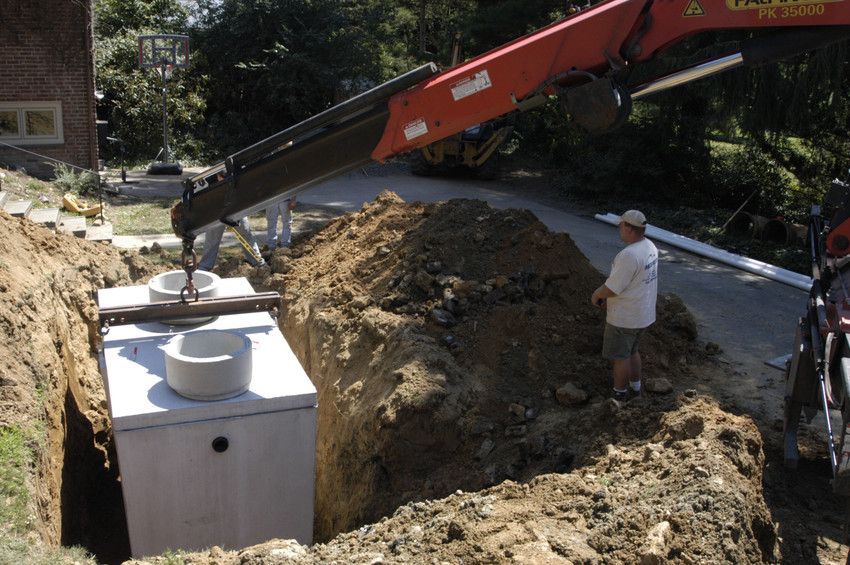
Heavy equipment handling involves lifting, moving, and positioning machinery or materials that are too large or heavy for conventional transportation and handling methods. Construction projects frequently require the relocation of excavators, generators, steel components, concrete materials, and other substantial loads. Industrial facilities may also need to move production equipment, large mechanical systems, or specialized components during installations and upgrades.
These tasks involve more than simply lifting an object from one location to another. Each movement requires an understanding of the load's weight, dimensions, center of gravity, and intended destination. Site conditions, available clearance, ground stability, and nearby structures can also influence how a lifting operation is performed.
Professional lifting equipment provides the capacity and reach needed to accommodate these requirements. With appropriate planning and experienced personnel, businesses can coordinate complicated material movements while keeping projects organized. This support is particularly valuable when working with oversized components, restricted access points, or locations where conventional equipment cannot provide sufficient lifting capacity.
Exploring the Role of Cranes in Material Handling
Cranes are essential pieces of equipment across numerous industries because they can lift and position substantial loads that would otherwise be difficult to move. Their versatility makes them useful for construction, manufacturing, infrastructure development, industrial maintenance, and equipment installation.
According to Grand View Research, cranes and lifting equipment represent 36.5% of the worldwide material handling equipment market, ranking as its largest product category. This market share reflects the important role lifting machinery plays in material movement across different industries.
Different lifting applications require different equipment configurations. Some projects involve moving materials vertically to elevated locations, while others require positioning heavy components across significant horizontal distances. Equipment selection depends on the load, working environment, available space, and overall project requirements.
For construction teams, access to suitable lifting equipment can make it easier to coordinate the placement of structural materials and large building components. Industrial operations also benefit when specialized machinery can be positioned according to installation requirements. Selecting an appropriate lifting solution helps align equipment capabilities with the demands of each project.
Improving Efficiency Through Professional Lifting Support
Moving heavy materials can become a significant logistical challenge when projects involve multiple locations, tight schedules, or oversized loads. Professional crane services help address these demands by providing lifting capabilities suited to the work being performed.
One important advantage is the ability to move substantial materials without relying on several smaller handling operations. A properly planned lift can reduce unnecessary equipment movements and help construction teams coordinate the placement of materials more effectively. This can be particularly useful when handling large structural components or machinery that must be installed in a specific location.
Professional lifting support also helps businesses account for scheduling and site coordination. Construction projects often involve multiple contractors, equipment operators, delivery teams, and installation specialists. A lifting operation may need to occur within a particular timeframe so other work can proceed as planned.
Coordinating the lifting process with the broader project schedule helps reduce conflicts between activities. It also allows teams to prepare receiving areas, establish access routes, and arrange for materials to be available when needed. These considerations contribute to a more organized workflow, especially on projects where several heavy components must be handled.
Supporting Safer Construction and Industrial Operations
Safety is a central consideration whenever heavy materials are lifted or transported. Oversized loads introduce potential hazards involving suspended materials, shifting weight, equipment limitations, and nearby structures. Professional lifting operations address these concerns through preparation, appropriate equipment selection, and established operating procedures.
Before a lift takes place, the relevant load characteristics must be understood. Weight, dimensions, attachment points, and balance all influence how a material should be handled. The lifting equipment must also have sufficient capacity for the planned operation and the conditions in which it will be used.
Site assessments provide another important part of the process. Uneven surfaces, overhead obstructions, nearby power lines, and limited working space can affect lifting arrangements. Identifying these conditions before work begins allows project teams to account for potential complications and establish appropriate controls.
Qualified personnel help ensure crane services are performed responsibly by following safety procedures and communicating clearly with operators, signal persons, and rigging teams. Proper coordination, equipment knowledge, and thorough preparation help manage potential hazards during heavy lifting operations.
Accommodating Complex Jobsite Conditions
Not every construction or industrial site provides an open, unobstructed working environment. Urban construction areas, established industrial facilities, and infrastructure projects may have limited access, nearby buildings, overhead restrictions, or other physical constraints.
These conditions can make equipment selection and lift planning more complicated. A crane must be positioned appropriately while maintaining sufficient clearance for the lifting operation. The location of the load, its destination, and the surrounding environment all influence the available options.
For example, a construction project may require steel materials to be lifted over an existing structure before they can be positioned for installation. An industrial facility may need to relocate a large machine within an area surrounded by other equipment. In both situations, the lifting arrangement must account for the site's physical limitations.
Professional lifting providers evaluate the requirements of the job before determining the appropriate approach. This may involve considering equipment reach, lifting capacity, positioning, access, and ground conditions. Careful coordination helps address the challenges associated with restricted spaces and unusual load configurations.
For projects throughout Northeast Arkansas, local site conditions can also influence how lifting activities are scheduled and coordinated. Weather, ground conditions, and access to the work area may change throughout the year, making preparation an important part of maintaining project readiness.
Supporting Equipment Installation and Relocation
Heavy equipment installation often requires precise positioning to ensure that machinery reaches its intended location. Manufacturing facilities, warehouses, agricultural operations, and construction sites may all need assistance moving large equipment during new installations, expansions, or facility improvements.
Some machinery is too heavy or bulky to be moved through standard doorways or handled using conventional material transportation equipment. Cranes provide lifting capabilities that can help position these components in designated installation areas.
Relocation projects present similar challenges. Businesses may need to move machinery to accommodate facility renovations, production changes, or operational expansions. Large generators, industrial equipment, and mechanical components can require specialized lifting arrangements to move them without interfering with surrounding operations.
Properly planned crane services account for equipment specifications, site clearance, access points, and placement requirements. Coordinating with installation contractors and facility personnel helps ensure the destination is prepared for the load and supports efficient equipment relocation.
Managing Heavy Material Movement Across Project Phases
Large construction and industrial projects rarely involve a single lifting operation. Materials may need to be delivered, unloaded, repositioned, and installed at different stages of development. Each phase introduces distinct logistical requirements.
During early construction, lifting equipment may be needed to unload structural materials, place foundation components, or position large building supplies. As the project advances, lifting requirements may shift toward steel framing, roofing materials, mechanical systems, and other substantial components.
Industrial projects follow similar patterns. Equipment may need to be removed before renovations begin, followed by the installation of replacement machinery once the work area is prepared. These activities require coordination between lifting providers, contractors, suppliers, and facility representatives.
Coordinating material movements around project milestones helps minimize delays and prepare job sites for upcoming work. Professional crane services support these needs through appropriate equipment, experienced operators, and careful planning, helping construction and industrial teams manage heavy loads, coordinate installations, and maintain project progress.
For construction and industrial projects throughout Northeast Arkansas, Nunn's Construction Co, Inc provides professional crane services for heavy equipment and material handling. Contact the team to discuss your lifting requirements and project needs.