October 26, 2026
Industrial facilities often need to move loads that are too heavy, bulky, or awkward for manual handling. When material must travel repeatedly between workstations, storage areas, production lines, or loading points, the way those loads are moved can affect productivity throughout the facility. Overhead cranes provide a controlled way to lift and position materials while keeping much of the movement above the work floor. For facilities with recurring lifts, small improvements in material flow can affect several stages of production.
Nunn's Construction Co, Inc provides overhead crane services throughout Northeast Arkansas, including installation, maintenance, repair, custom system design, inspections, rigging, and emergency support. By matching the crane system to the facility and maintaining it properly, industrial businesses can improve material flow without relying as heavily on floor-based lifting equipment.
Overhead Cranes Move Heavy Loads More Efficiently
The most direct benefit of an overhead crane is its ability to move heavy materials through a defined work area. Instead of dividing a load into smaller pieces or relying on several workers and machines to reposition it, a properly designed crane can lift, travel, and lower the material where it is needed.
That can be valuable in manufacturing, fabrication, warehousing, maintenance, and other industrial settings where large components move repeatedly through the same facility. Nunn's Construction provides custom overhead crane systems designed around a facility's layout, workflow, load requirements, and available space.
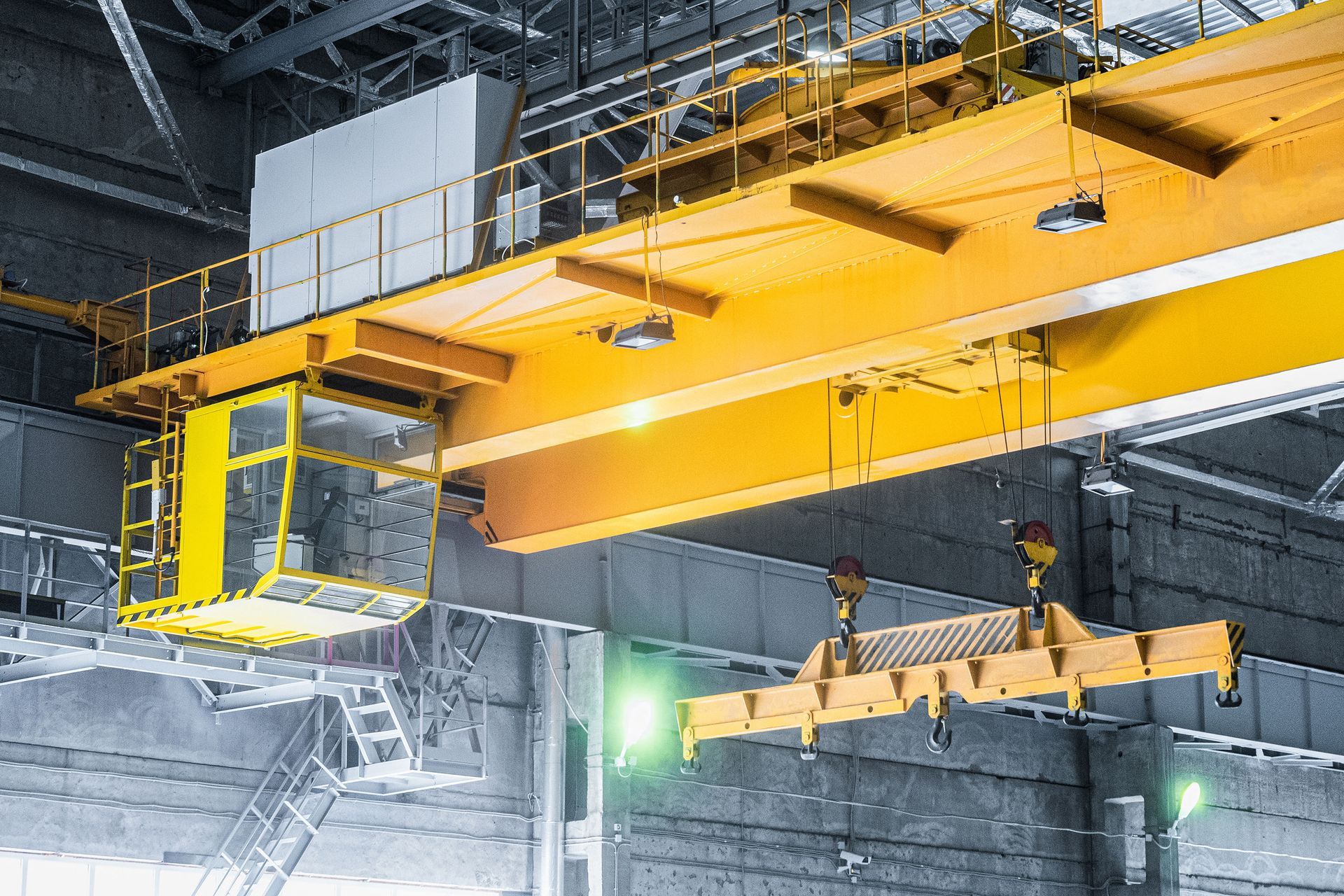
According to Grand View Research, bridge cranes account for 37.1% of the global overhead crane market, making them the leading crane type by market share. Their ability to span work areas and move loads along a runway helps explain why bridge-style systems are widely used for industrial material handling.
Overhead Movement Can Free Up Valuable Floor Space
Floor space is limited in many industrial buildings. Forklifts, stored materials, machinery, and pedestrian routes can all compete for the same aisles. Moving certain loads overhead can reduce the floor area needed for material transport.
Overhead crane services can help facilities plan lifting paths that work with existing production equipment and building structure. A crane can move a load across areas that might otherwise require a clear forklift route, provided the system is designed and operated for that application.
This does not eliminate floor-based equipment, but it can reduce congestion where overhead handling is practical. Better use of vertical space can also make it easier to organize work areas around production.
Controlled Positioning Supports Repeatable Workflows
Industrial material handling is not only about moving something across a building. Many operations need loads positioned accurately for assembly, fabrication, machining, maintenance, storage, or loading.
An overhead crane gives operators controlled movement along established travel directions. The appropriate crane configuration depends on factors such as load weight, travel distance, frequency of use, building dimensions, and where materials need to be placed.
Nunn's Construction works with overhead crane systems that can be customized to specific facility requirements. Its site identifies bridge cranes, gantry cranes, jib cranes, and monorail systems as common options, each suited to different work areas and handling needs. Designing the system around the actual workflow can make repetitive lifting tasks more consistent.
Mechanical Lifting Reduces Dependence on Manual Handling
Heavy or awkward materials can create challenges when workers are expected to lift, carry, guide, or reposition them manually. Using appropriate lifting equipment moves much of that physical work to a mechanical system designed for the load.
Overhead crane services can therefore support a material-handling plan that reduces the amount of direct manual lifting required for certain tasks. Nunn's Construction specifically identifies reduced manual labor and associated risks as benefits of reliable overhead crane systems.
The crane does not remove the need for trained operators, safe procedures, appropriate rigging, or clear communication. Loads still have to be attached and moved according to system capacity and operating requirements. The advantage is reducing direct manual lifting of heavy loads.
The Right System Can Be Designed Around the Facility
A crane that works well in one plant may be poorly suited to another. Ceiling height, structural conditions, machine placement, load weight, lift frequency, travel distance, and future production plans can all influence the right system.
Nunn's Construction offers custom overhead crane design rather than treating every industrial facility the same. Its team handles engineering and drawings and works with project managers and engineers to integrate systems into existing operations. The company also handles building permits associated with its work.
This planning matters because material-handling improvements depend on more than lifting capacity alone. A system should support where materials originate, where they need to go, how often they move, and what areas must remain accessible around the crane.
Installation Matters to Long-Term Crane Performance
Even a well-designed crane system depends on proper installation. Structural preparation, runway alignment, electrical connections, controls, hoists, trolleys, and other components have to work together before the system can be placed into service.
Nunn's Construction provides complete overhead crane installation from structural preparation and system design through final testing and commissioning. The company works with equipment from Shannahan Crane & Hoist, Gorbel, and other established crane suppliers.
A coordinated installation can reduce the burden on facility managers who might otherwise manage separate contractors for structural work, crane equipment, drawings, permits, and related construction. Nunn's Construction uses a full-service approach so multiple project stages can be handled through one team.
Maintenance and Inspections Help Protect Uptime
An overhead crane becomes part of a facility's production infrastructure, so a breakdown can affect more than the crane itself. If a critical lift cannot be completed, materials may stop moving to the next stage of production or maintenance work may be delayed.
Regular inspections, lubrication, and component checks are important parts of crane maintenance. Nunn's Construction provides maintenance and repair services along with safety inspections and certifications for overhead crane systems.
Ongoing overhead crane services allow facilities to address wear, damaged components, or developing problems before the system stops working. Maintenance needs vary by crane, workload, environment, and manufacturer requirements, so schedules should reflect actual use.
Emergency Support Can Limit Operational Disruption
Not every crane problem occurs during normal working hours. A system failure during a production run, equipment move, shutdown, or time-sensitive project can create delays that extend beyond the lifting task itself.
Nunn's Construction offers 24/7 emergency service for crane-related issues throughout its Northeast Arkansas service area. Access to emergency repairs can help industrial facilities respond more quickly when an unexpected problem interrupts material handling.
That support is especially useful when the crane is central to production or maintenance. Preventive service remains important, but emergency repair access can help limit unnecessary downtime.
A Full-Service Provider Can Simplify Crane Projects
Industrial crane projects may involve engineering, structural work, electrical service, equipment installation, rigging, permitting, inspections, and ongoing maintenance. Coordinating all of those requirements among unrelated providers can add another layer of work for plant managers and project teams.
Nunn's Construction combines crane work with turn-key rigging and maintenance, commercial electrical work, heavy equipment moving, construction services, and engineering coordination. The family-owned company has served Northeast Arkansas since 1978 and provides free same-day quotes for project planning.
Working with one provider for multiple stages of a project can simplify communication and help keep material-handling improvements aligned with the rest of the facility. Experienced overhead crane services can assess the operation, design an appropriate system, manage installation, and provide maintenance after the crane becomes part of the workflow.
Use Crane Systems to Support the Entire Material-Handling Process
An overhead crane is most effective when it is treated as part of the production process rather than simply as a piece of lifting equipment. The system should support the loads being moved, the paths they follow, the work being performed, and the people and equipment sharing the facility.
Nunn's Construction Co, Inc provides installation, custom crane systems, inspections, maintenance, repairs, turn-key rigging, and 24/7 emergency support throughout Northeast Arkansas. Its overhead crane services can help facilities improve the way heavy and awkward materials move while making better use of available work areas.
For manufacturers and industrial facilities reviewing their material-handling process, the starting point is to identify where heavy loads create delays, congestion, repeated manual handling, or difficult positioning. A crane system designed around those specific problems can improve material flow and provide a more organized approach to moving loads throughout the operation.