October 17, 2026
Moving large machinery from one location to another involves far more than placing equipment onto a trailer and driving away. Industrial machinery, construction equipment, agricultural units, and other oversized assets can present challenges involving weight distribution, dimensions, accessibility, stability, and transportation requirements. Loading and unloading are particularly important because these stages involve significant changes in equipment position and support. Careful planning can help reduce the possibility of property damage, equipment damage, delays, and safety concerns.
Professional heavy equipment movers understand that every project presents different conditions. The type of machinery, its operating condition, the surrounding property, available access, and destination all influence how the move should be approached. Evaluating these factors before transportation begins allows professionals to select appropriate resources and coordinate the process effectively. Understanding why loading and unloading are so complex can also help businesses appreciate the preparation that goes into relocating valuable equipment.
Managing the Weight and Dimensions of Equipment
One of the primary challenges associated with equipment relocation is the size and weight of the machinery involved. Heavy assets may have unusual dimensions, uneven weight distribution, attachments, or components that make them difficult to position securely. Professionals must understand these characteristics before determining how an item should be handled. A machine that appears balanced while sitting on the ground may behave differently when its position changes during loading.
Experienced heavy equipment movers evaluate machinery characteristics as part of the planning process. This assessment helps determine what transportation equipment, lifting resources, and support systems may be appropriate. It can also identify potential concerns before machinery is moved. Careful preparation is especially important when valuable equipment cannot easily be repaired or replaced if it sustains damage.
Selecting the Appropriate Equipment and Resources
Successful loading and unloading depend heavily on having suitable equipment available for the project. The resources needed can vary according to the machinery being moved and the conditions at each property. Trailers, lifting equipment, rigging components, and other specialized resources may all play a role. Choosing equipment without considering the characteristics of the load can create unnecessary complications.
This is one reason qualified heavy equipment movers carefully evaluate a project before work begins. According to Market Reports, in 2024, U.S. industries consumed around 960,000 metric tons of heavy equipment, including wire rope, shackles, and synthetic slings. The widespread use of specialized materials demonstrates how important appropriate handling resources are across industrial environments.
Coordinating the Loading and Unloading Environment
The surrounding environment can make an otherwise straightforward move considerably more complicated. Heavy machinery is frequently located in active facilities, construction sites, warehouses, or areas where space is restricted. Other equipment, structures, stored materials, and ongoing operations may limit access. Professionals need to evaluate how these conditions could affect the relocation before the machinery is moved.
Skilled heavy equipment movers may assess entry points, travel paths, loading areas, and destination conditions while developing the project plan. Site conditions at the pickup location may be very different from those at the destination. For example, ample loading space at the origin does not guarantee that the receiving property offers similar access. Both environments therefore deserve careful consideration.
Coordination also extends to the people and operations surrounding the move. Equipment relocation may need to fit around construction activity, production schedules, deliveries, or other site requirements. Clear communication among the parties involved can help prevent unexpected conflicts. When everyone understands the intended timing and necessary access, the relocation can proceed with fewer interruptions.
Weather and ground conditions may introduce additional concerns. Soft surfaces, uneven terrain, rain, or other environmental factors can influence stability and accessibility. Professional planning accounts for changing conditions rather than assuming that every site will remain ideal throughout the project.
Protecting Equipment Throughout the Relocation
Heavy machinery represents a significant investment for many businesses, making protection an essential part of relocation planning. Damage does not have to be catastrophic to become costly. Bent components, damaged attachments, misalignment, or cosmetic damage may result in repairs, downtime, or interruptions to business operations. Careful handling is therefore important from the moment preparation begins until the equipment reaches its final position.
Professional heavy equipment movers consider how machinery can be supported and protected during each stage of relocation. Equipment characteristics can influence where support is appropriate and which areas require additional consideration. Attachments or projecting components may create different handling challenges than the main body of the machine.
Protection continues during transportation. Loads are exposed to movement and vibration while traveling, which makes proper positioning and securement essential considerations. The approach should account for the specific machinery rather than relying on assumptions based solely on its general category.
Unloading deserves the same attention as loading. Reaching the destination does not mean the most challenging parts of the move are complete. Professionals must consider the receiving area’s accessibility, surface conditions, available clearance, and intended final placement. Careful coordination at this stage helps protect both the machinery and the surrounding property.
Addressing Transportation and Logistical Requirements
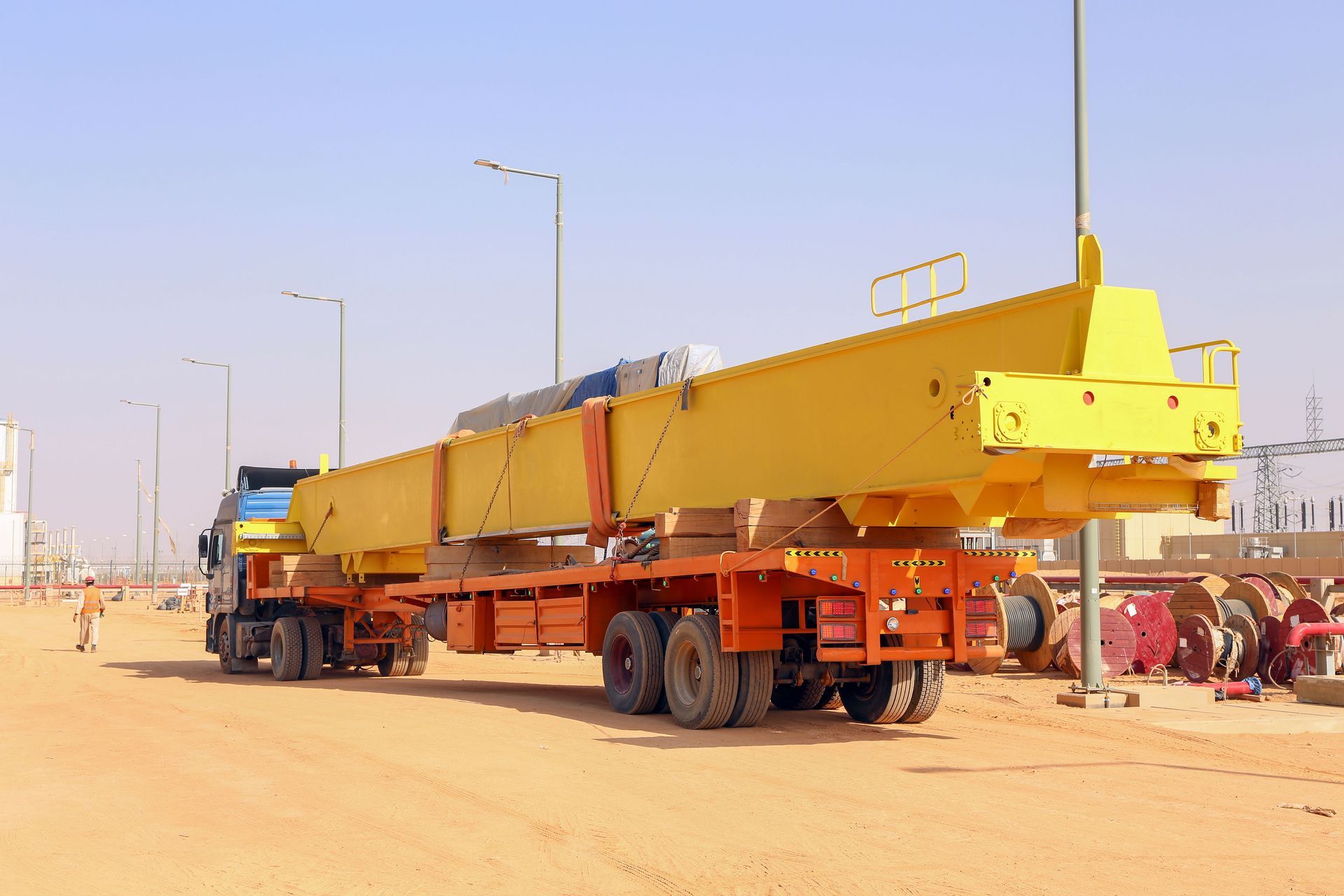
Equipment relocation can involve logistical concerns extending beyond the machinery itself. Depending on the nature of the load and transportation route, professionals may need to account for roadway restrictions, clearance limitations, transportation requirements, and site scheduling. Oversized or unusually configured equipment can make route planning particularly important.
Experienced heavy equipment movers recognize that a route suitable for an ordinary vehicle may not necessarily work for specialized transportation. Road conditions, turns, overhead clearance, access points, and destination entry can all affect planning. Identifying potential obstacles beforehand helps reduce the likelihood of preventable disruptions once equipment is already in transit.
Scheduling presents another logistical consideration. Businesses may depend on machinery for daily operations, meaning prolonged downtime can affect productivity. A well-coordinated relocation considers when equipment will become unavailable, when transportation can occur, and when the receiving site will be prepared. Aligning these elements can help businesses manage operational interruptions more effectively.
Communication is equally important when several parties are involved. Property managers, contractors, equipment owners, transportation professionals, and other stakeholders may each have responsibilities connected to the relocation. Establishing expectations beforehand supports a more organized process and helps prevent confusion at critical stages.
Reducing Risk Through Professional Planning
Heavy equipment relocation involves several interconnected risks. Machinery can be damaged, surrounding property can be affected, and unexpected conditions can delay the project. The complexity increases when equipment is oversized, difficult to access, unusually shaped, or located in a challenging environment. Professional planning helps address these concerns before they develop into larger problems.
Qualified heavy equipment movers approach relocation as a coordinated operation rather than a simple transportation assignment. They consider machinery characteristics, handling resources, site conditions, transportation logistics, and final placement together. This broader perspective is valuable because a decision made during loading can influence transportation and unloading later.
Preparation also provides an opportunity to identify potential obstacles while there is still time to address them. Restricted access, difficult terrain, limited clearance, or scheduling conflicts can be incorporated into the project plan. Anticipating these factors is generally more efficient than responding to them after relocation has begun.
Professional experience can be especially valuable when conditions change unexpectedly. Equipment moves often involve numerous variables, and knowledgeable teams can evaluate those variables while maintaining attention to safety, property protection, and project objectives. That expertise helps businesses relocate important assets with greater confidence.
Understanding the Value of Specialized Equipment Moving
Loading and unloading heavy machinery require careful coordination because every stage affects what comes next. Weight, dimensions, equipment selection, site access, transportation logistics, and final positioning must work together. Overlooking one element can create complications elsewhere, which is why thorough preparation is central to a successful relocation.
Working with experienced heavy equipment movers gives businesses access to specialized knowledge and resources suited to demanding equipment moves. Professional handling can help protect valuable machinery, support efficient scheduling, and account for the unique conditions at both the origin and destination. Rather than viewing relocation as transportation alone, businesses can approach it as a carefully managed process from initial planning through final placement.
When your business needs dependable assistance relocating large machinery, Nunn’s Construction Co, Inc can help. We understand the planning and coordination required for challenging equipment moves, and our team is prepared to help protect your valuable assets throughout the process. Contact us to discuss your equipment relocation needs and learn how we can support your next project.