October 16, 2026
In the realm of facility management, the installation of overhead cranes is a critical competency. Overhead cranes play an indispensable role across various industries, significantly enhancing efficiency and safety in material handling tasks. However, the complexity involved in their installation means that facility managers must partner with expert overhead crane services and have a thorough understanding of both the technical and regulatory aspects to ensure a successful operation. This comprehensive guide aims to provide facility managers with valuable insights into overhead crane installation, covering everything from planning and safety to maintenance and optimization. By the end of the article, readers will have a solid foundation for managing these complex installations, ensuring safety and operational efficiency.
Understanding Overhead Cranes
What Are Overhead Cranes?
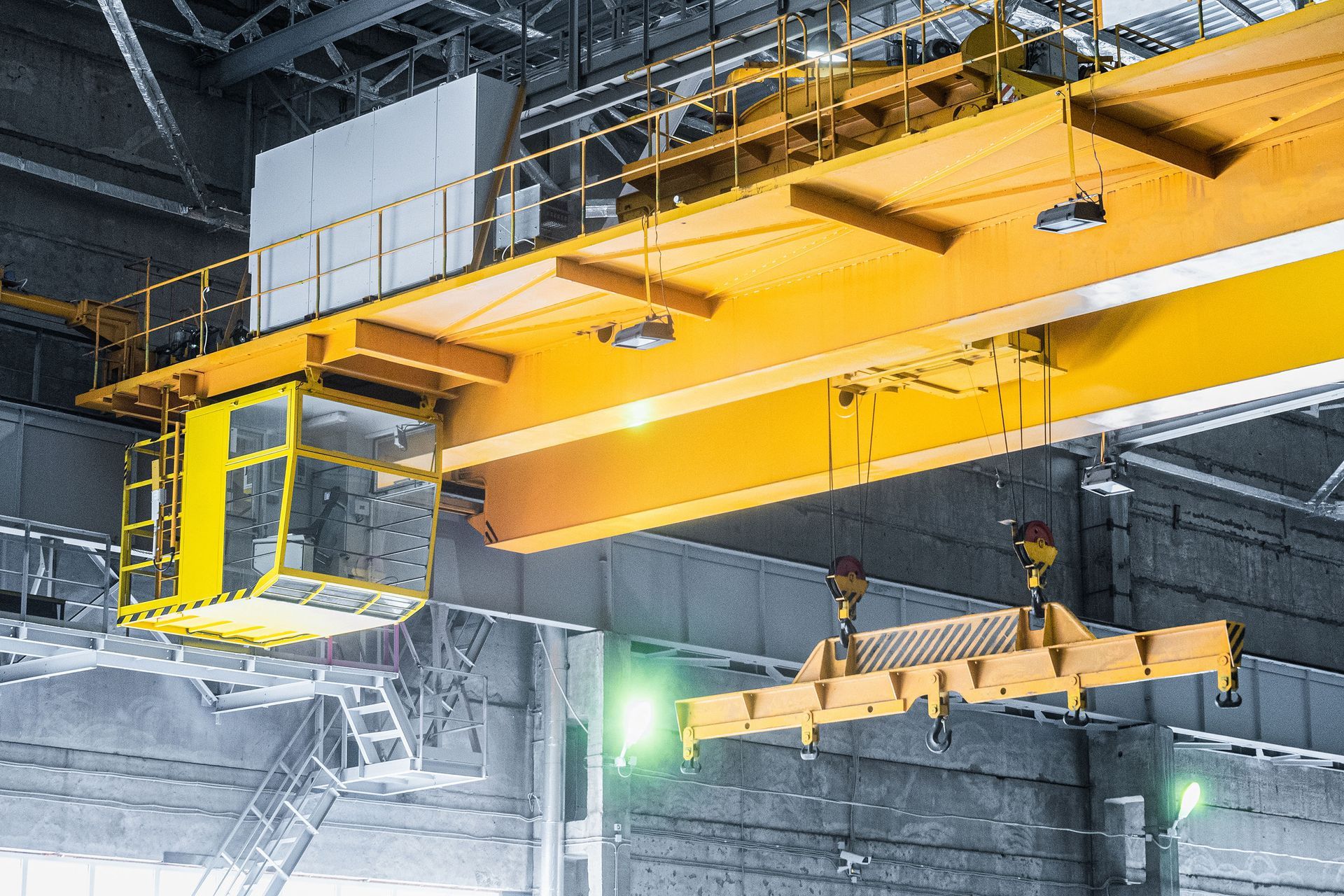
Overhead cranes are a type of equipment commonly used for lifting and moving heavy loads across a facility or warehouse. Unlike other lifting solutions, overhead cranes are mounted on a horizontal beam that allows them to traverse large spaces, offering unparalleled mobility and versatility. They are widely adopted in industries where large loads need to be lifted and transported with minimal effort and maximum safety. Although they come in various forms, all overhead cranes feature a hoist that lifts objects by means of a hook or sling attached to a rope. Understanding the basic construction and function of overhead cranes, as well as when to outsource to professional overhead crane services, is essential for anyone involved in the installation and maintenance process.
Types of Overhead Cranes
There are several types of overhead cranes, each designed for specific applications and environments. The most common types include bridge cranes, gantry cranes, and monorail cranes. Bridge cranes have two overhead runway beams that support a single or double bridge on which the hoist traverses. Gantry cranes are similar but are mounted on legs that traverse rails on the ground. Monorail cranes, on the other hand, operate along a single beam or track suspended from the ceiling. It is crucial to select the correct type of crane based on the facility's physical constraints and operational demands, a process best navigated by consulting top-tier overhead crane services.
Common Uses and Applications
Overhead cranes are prevalent in industries such as manufacturing, warehousing, and shipping, where they facilitate the easy and safe movement of heavy goods and materials. In construction and infrastructure sectors, which, according to IMARC Group, drive about 50% of the crane demand in the U.S., overhead cranes are utilized for lifting steel beams and other heavy construction materials. Every type of crane excels in specific tasks - for instance, bridge cranes are ideal for handling bulky materials in confined spaces, while gantry cranes are perfect for moving loads between different locations within a facility. Leveraging specialized overhead crane services helps in determining the right overhead crane system for a particular facility's needs.
Advantages of Overhead Cranes
The advantages of integrating overhead cranes into facility operations include increased productivity, improved safety, and cost savings. These cranes enable precise load placement that reduces material handling time, thus enhancing operational efficiency. By minimizing manual lifting, they significantly reduce the risk of workplace injuries, lower insurance premiums, and improve overall workplace safety. Additionally, by automating load handling, overhead cranes reduce labor costs, contributing to a quicker return on investment. The widespread benefits underscore why quality equipment, backed by reliable overhead crane services, is pivotal in modern industrial and commercial settings.
Planning for Installation
Assessing Facility Needs
The first step in planning the installation of an overhead crane is conducting a thorough assessment of the facility's needs. This involves determining the load capacity requirements, the type of materials to be handled, and the frequency of use. Additionally, it is important to evaluate the spatial constraints and consider any existing equipment that may affect the installation. Collaboration with engineers and dedicated overhead crane services is beneficial at this stage to accurately map out operational demands. A comprehensive needs assessment serves as the backbone for choosing the appropriate crane type and ensures a well-aligned installation plan.
Site Evaluation and Preparation
Once the facility's needs have been assessed, the next step is to conduct a detailed site evaluation. The primary goal is to ensure that the physical infrastructure can support the crane system, which includes inspecting the ceiling, beams, and floor for structural integrity. It is also crucial to verify the dimensions of the working space to ensure the crane can operate efficiently without obstruction. Preparing the site for installation may involve reinforcing existing structures, removing obstacles, and installing additional power sources. Thorough site evaluation and preparation, often facilitated by experienced overhead crane services, pave the way for a smooth installation process, minimizing costly errors or adjustments.
Budgeting and Cost Considerations
Budgeting for overhead crane installation is a process that involves accounting for various costs, including purchasing the crane system, site preparation, and labor. Hidden costs such as permits, training, and maintenance should also be factored into the budget. It's advisable to get multiple quotes from different vendors and contractors providing overhead crane services to ensure costs are competitive. Consideration should also be given to long-term financial implications, such as energy consumption and maintenance expenses. Proper budgeting not only ensures financial efficiency but also helps in making informed decisions that contribute to a successful installation.
Choosing the Right Crane Type
Choosing the right type of overhead crane is a crucial decision that affects both operational efficiency and safety. Factors to consider include load capacity, operating environment, and specific application requirements. Engineers and crane specialists can provide insights into the optimal configuration and features required for specific tasks. It's also important to consider future scalability and flexibility of the crane system to accommodate changing operational demands. By selecting the right crane type initially, facility managers can avoid potential issues and ensure a well-suited solution that meets all strategic operational objectives.
Safety Considerations
Conducting a Risk Assessment
Conducting a comprehensive risk assessment is essential to identify potential hazards associated with the use and installation of overhead cranes. The assessment involves evaluating workplace conditions to identify any risks posed by overhead movements, electrical connections, and the lifting tasks. Collaboration with safety engineers and employing risk assessment models like the Failure Mode Effects Analysis (FMEA) aids in foreseeing potential issues. Documenting this risk assessment allows facility managers to implement necessary protective measures and mitigate hazards proactively. Ensuring a thorough risk analysis is critical in fostering a culture of safety and accident prevention in crane operations.
Implementing Safety Protocols
Safety protocols are an integral part of overhead crane operations, ensuring both operators and onsite personnel are protected from potential harm. Protocols should be comprehensive, covering emergency procedures, hazard communication, and operational conduct guidelines for operators. Regular safety drills and training sessions ensure that employees are aware of the actions to take during an emergency. Safety protocols also require ongoing evaluation and updates to address new risks or changes in regulations. A steadfast commitment to safety can significantly reduce accidents and enhance the overall operational environment.
Training for Safe Operation
Proper training for operators and on-site personnel is crucial for maintaining a safe operational environment with overhead cranes. Training should encompass operational techniques, safety protocols, and emergency responses tailored to the specific crane system in use. Hands-on training, complemented by theoretical instruction, enhances operators' proficiency and readiness to handle potential challenges. In addition to initial training, refresher courses keep safety practices and operational efficiency at peak levels. Investing in comprehensive and continuous training is a strategic priority for facility managers aiming to uphold operational safety and competence.
Properly installing and maintaining heavy-duty lifting systems is a multifaceted process that requires meticulous planning, structural validation, and strict adherence to safety protocols. From the initial site evaluation to comprehensive operator training, every phase of the implementation demands exact precision to protect both your personnel and valuable facility assets. While internal management teams play a critical role in mapping out operational needs and budgeting, executing these high-stakes structural installations safely requires specialized engineering and heavy rigging expertise. When you are ready to modernize your facility's material handling capabilities, ensure your project is executed flawlessly by partnering with the licensed turnkey professionals at NOB Nunn's Construction Co, Inc.