December 2, 2025
The process of moving heavy and complex machinery presents challenges that require professional-level planning, precision, and experience. Attempting to manage these tasks without expert support often leads to preventable errors, costly delays, and safety risks. By understanding the most common pitfalls associated with machinery moving, companies can better appreciate how hiring qualified professionals helps streamline operations and prevent unnecessary setbacks. This article explores the key machinery moving mistakes that can be avoided by working with experts who understand the complexities of large-scale relocation.
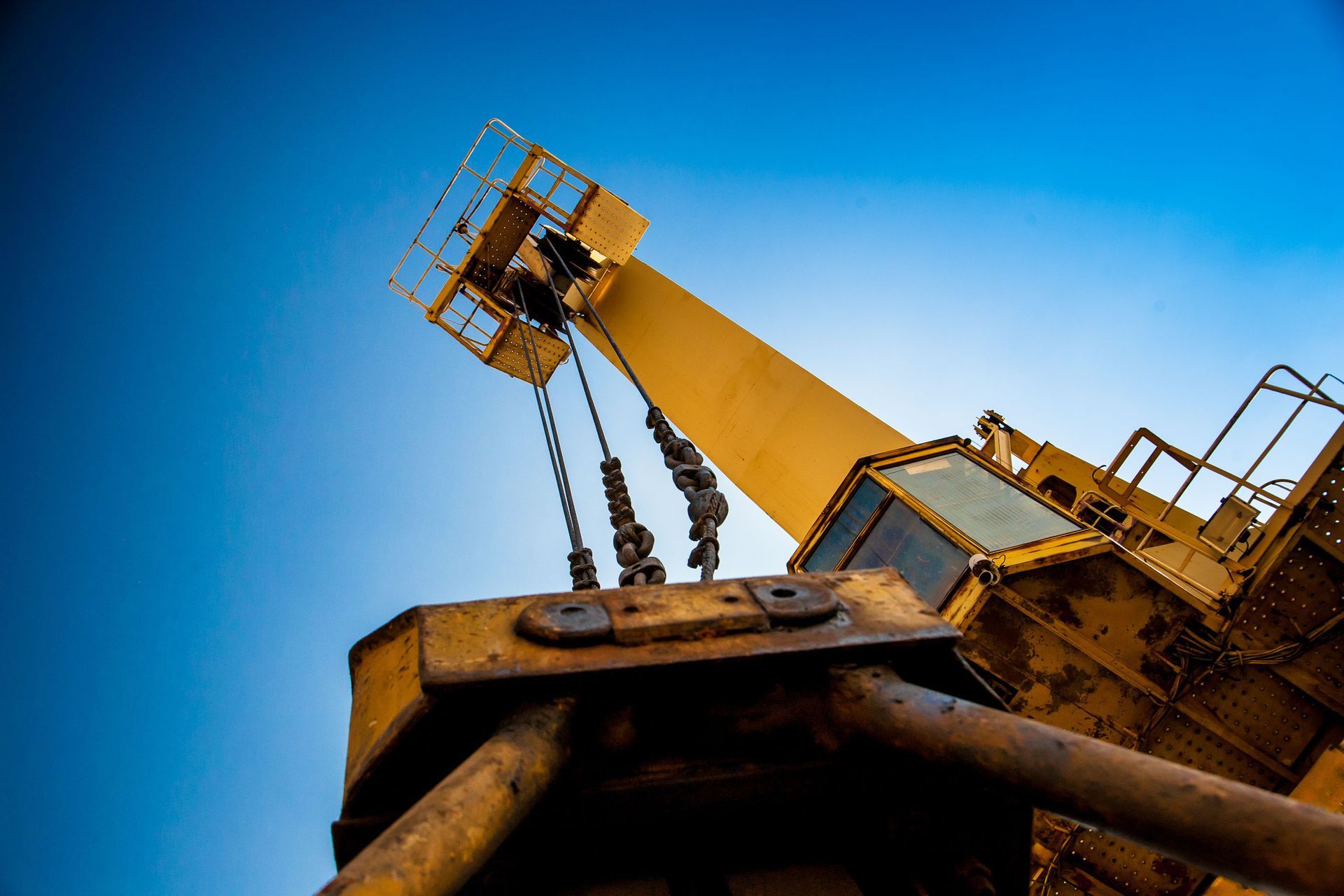
Every stage of machinery moving—from equipment selection to transportation and final installation—demands careful coordination. Overlooking even minor details can result in significant downtime or equipment failure. According to WifiTalents, the rental crane market accounts for over 70% of all crane use in North America, demonstrating how frequently specialized equipment is required for complex moves. Professional machinery movers know when, how, and why to utilize this equipment, helping businesses avoid mechanical failures, workflow disruptions, and safety hazards.
Preventing Planning and Preparation Mistakes
Choosing the Right Equipment for the Move
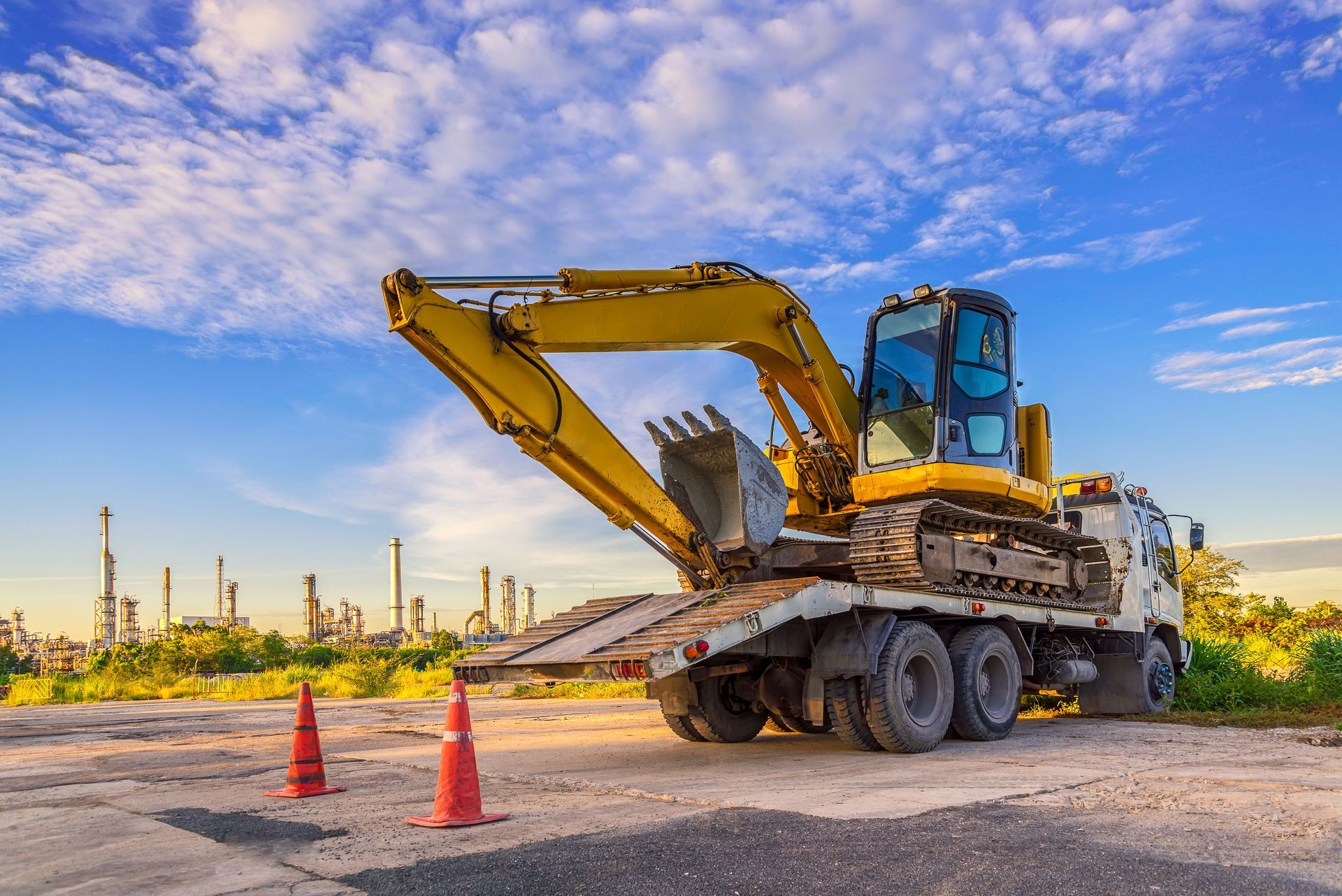
One of the most common mistakes businesses make is selecting improper or insufficient equipment for the move. Using the wrong machinery can lead to tipping, strain on parts, or equipment breakdowns. Experts perform detailed assessments of load weight, height, and movement requirements, ensuring precise selection of cranes, forklifts, rigging systems, and transport vehicles. Their knowledge eliminates guesswork and keeps the relocation process efficient and safe.
Poor Time Management
Without a clear timeline, machinery moves can quickly fall behind schedule. Rushed decisions often lead to injuries, incorrect setup, or forgotten steps. Professional movers create structured timelines that break the process into manageable phases. They oversee progress at every stage and make real-time adjustments to keep the operation on track, helping companies avoid costly downtime and production delays.
Neglecting Site Assessment
A frequent oversight in machinery relocation is failing to thoroughly evaluate both the departure and destination sites. Hazards such as narrow passageways, uneven flooring, low clearance, or structural limitations can complicate a move if not identified early. Experts conduct comprehensive site assessments, plan safe routes, and prepare spaces in advance, preventing last-minute obstacles and enabling a smooth transition.
Failing to Coordinate With Stakeholders
Miscommunication is a major source of delays and mistakes during machinery moving. Internal staff, contractors, and logistics teams must all be aligned. Professional movers act as project coordinators, ensuring that every stakeholder understands their responsibilities. Their structured communication procedures keep operations organized, efficient, and predictable.
Skipping Detailed Moving Plans
Businesses that skip detailed planning often encounter confusion during the move. A comprehensive plan outlines responsibilities, step-by-step procedures, equipment needs, and safety measures. Experts prepare these plans thoroughly, providing a roadmap that minimizes risk and prevents missteps throughout the relocation.
Preventing Risk Management Mistakes
Overlooking Potential Hazards
Machinery moving comes with numerous risks, including falling components, electrical hazards, and equipment malfunctions. Inexperienced teams often overlook these dangers. Professional movers conduct risk assessments to identify hazards in advance and implement controls to prevent accidents. Their proactive approach protects workers and equipment.
Neglecting Safety Protocols
Not all businesses maintain proper safety procedures for heavy equipment moves. Industry experts enforce strict protocols such as standardized lifting techniques, safe load distribution, and emergency response planning. Their adherence to best practices ensures compliance and significantly reduces risk.
Not Using Proper Protective Gear
Lack of personal protective equipment (PPE) remains a common mistake. Experts enforce proper use of safety gear and regularly audit compliance. This minimizes injuries and promotes a safe working environment throughout the move.
Ignoring Insurance and Liability Considerations
Underestimating insurance needs can expose businesses to financial and legal liabilities. Professional moving companies maintain comprehensive coverage to protect clients from equipment damage, losses, and accidents. This safeguards operations and reduces risk.
Skipping Safety Drills
Teams that do not practice emergency procedures are slower to respond during real incidents. Professional movers undergo routine safety drills to prepare for spills, malfunctions, or onsite injuries, ensuring efficient crisis management.
Avoiding Mistakes Related to Machinery Specifications
Misjudging Machinery Dimensions
Incorrect measurements can result in machinery not fitting through doorways, hallways, or transport vehicles. Professionals take precise measurements, ensuring proper clearance and helping determine the right rigging and transport systems.
Disregarding Manufacturer Guidelines
Ignoring manufacturer instructions can lead to operational damage or voided warranties. Expert movers follow these guidelines closely to ensure safe handling and preserve the equipment's long-term performance.
Overlooking Load Capacities
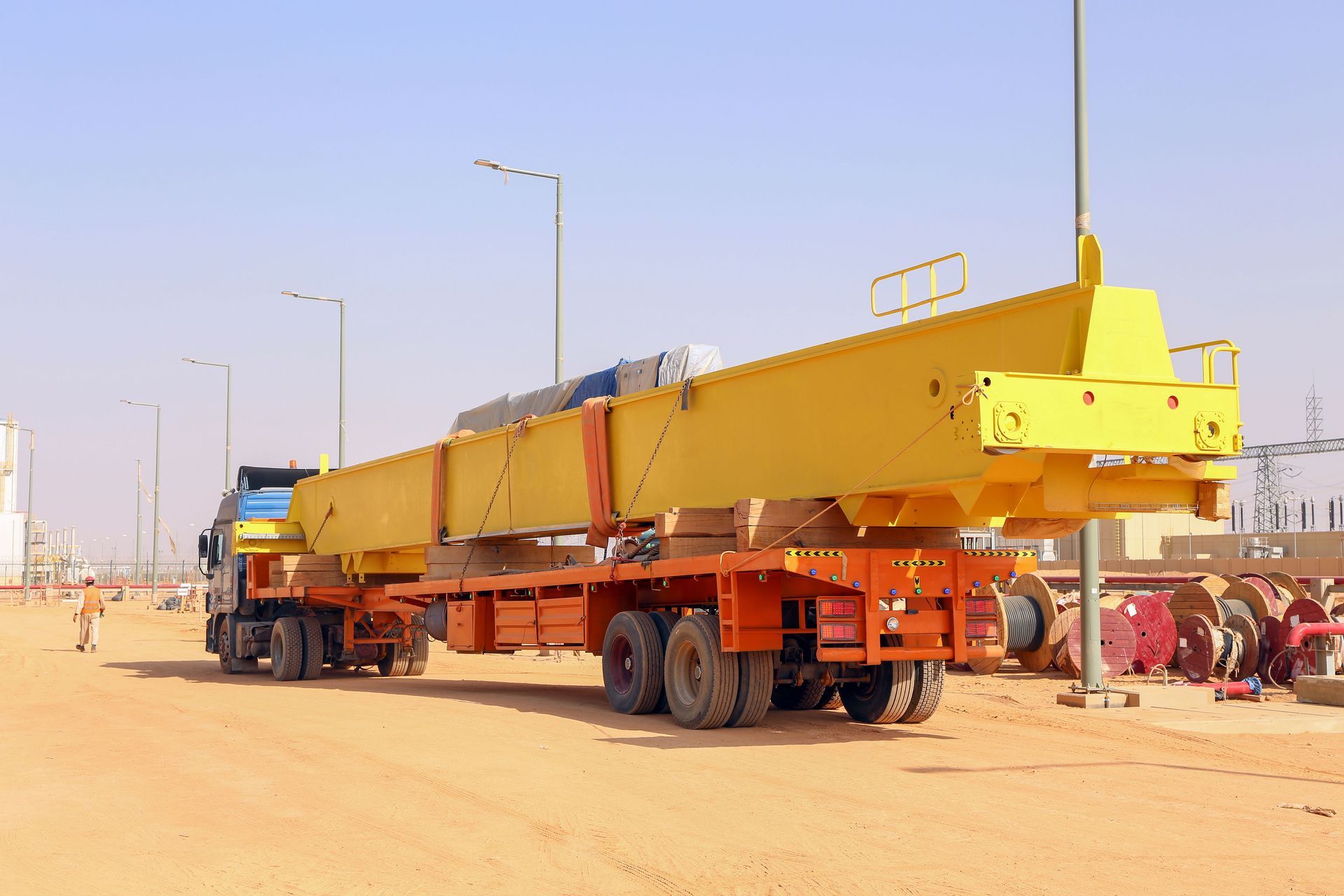
Overloading cranes, trailers, or building structures is a dangerous and costly mistake. Professionals verify load capacities, structural limits, and equipment ratings, preventing equipment failures and workplace hazards.
Poor Packing and Crating Practices
Improper packing exposes machinery to vibrations, shocks, or contamination. Experts customize crating solutions, use protective padding, and secure equipment tightly to ensure safe transportation.
Neglecting Equipment Calibration Post-Move
Relocated machinery may lose alignment or calibration during transport. Professional movers provide post-move calibration services or coordinate with technicians to restore accuracy and functionality.
Preventing Workforce Management Mistakes
Inadequate Staff Training
Untrained personnel are more likely to make mistakes or cause delays. Experts bring trained specialists who understand machinery operation, rigging requirements, and site safety protocols.
Poor Team Coordination
Lack of clear communication leads to duplicated tasks or forgotten steps. Professional moving teams operate with defined roles and a structured workflow to ensure seamless coordination.
Ignoring Experience and Expertise
Experience plays a critical role in anticipating challenges. Hiring expert movers eliminates the learning curve, ensuring problems are addressed efficiently and accurately.
Understaffing Teams
Moving heavy machinery requires adequate manpower. Professionals assess staffing needs accurately and ensure the team is large enough to handle the job safely.
Not Reassessing Workforce Needs
Project variables can change rapidly, requiring additional support or specialized skills. Experts continuously evaluate workforce needs and make adjustments to maintain efficiency and safety.
Addressing Environmental Considerations
Site-Specific Hazards
Terrain issues, slopes, water exposure, and uneven ground create significant risks. Professionals identify and mitigate these hazards to prevent tipping, instability, or accidental damage.
Sustainable Moving Practices
Sustainability is increasingly important in industrial operations. Expert movers integrate eco-friendly practices such as efficient routing, reusable materials, and emissions reduction.
Waste Management and Disposal
Proper disposal of packing materials and obsolete parts is essential. Professionals follow regulations and recycle whenever possible to reduce environmental impact.
Noise and Pollution Management
Machinery moves can create noise and emissions that affect nearby communities. Experts plan operations to minimize disruptions and maintain regulatory compliance.
Regulatory Compliance
Machinery moves often require permits and environmental compliance measures. Hiring experts ensures proper documentation, legal operation, and full adherence to industry standards.
Managing Post-Move Challenges
Settling Equipment at the Destination
After the machinery arrives on site, extreme care is required to position, level, and connect it correctly. Professionals verify alignment and ensure all utilities and connections are secure.
Testing and Commissioning Machinery
Post-move testing is essential to verify full functionality. Experts perform detailed inspections and operational tests to identify and resolve issues before production resumes.
Managing Unforeseen Downtime
Unexpected delays or breakdowns can occur. Professional movers prepare contingency plans to keep downtime to a minimum and maintain workflow continuity.
Maintaining Communication Throughout
Clear communication ensures all teams remain informed of progress, changes, and responsibilities. Experts facilitate ongoing communication to prevent confusion and delays.
Hiring experts dramatically reduces the likelihood of costly mistakes during machinery moving. Their knowledge, planning capabilities, and strict safety protocols help prevent equipment damage, minimize downtime, and maintain safe working conditions. Businesses that rely on professional machinery movers experience smoother transitions, fewer complications, and more reliable results. For dependable, expert machinery moving services that prioritize safety and efficiency, contact Nunn's Construction Co, Inc to schedule your next project.