December 8, 2025
In the construction and industrial sectors, time is money. Every delay can ripple across a project’s timeline, increasing labor costs, extending equipment rentals, and pushing back deadlines. One area that is often overlooked but has a major impact on project efficiency is heavy equipment handling. When managed properly, it can transform a chaotic site into a well-orchestrated operation.
Heavy equipment loading is more than just moving heavy objects from one place to another. It requires precise planning, skilled operators, and the right equipment to handle materials safely and efficiently. When executed correctly, it can streamline your workflow, reduce project risk, and even lower costs. Projects that emphasize proper loading techniques often experience fewer bottlenecks and smoother daily operations.
1. Minimizing Downtime Through Efficient Loading
One of the most significant ways heavy equipment handling speeds up a project is by minimizing downtime. Delays in loading materials or machinery can halt construction work, leaving crews waiting and valuable equipment idle. By optimizing the loading process, projects can maintain momentum and ensure that all resources are utilized effectively. Proper planning and sequencing can make a huge difference in daily productivity.
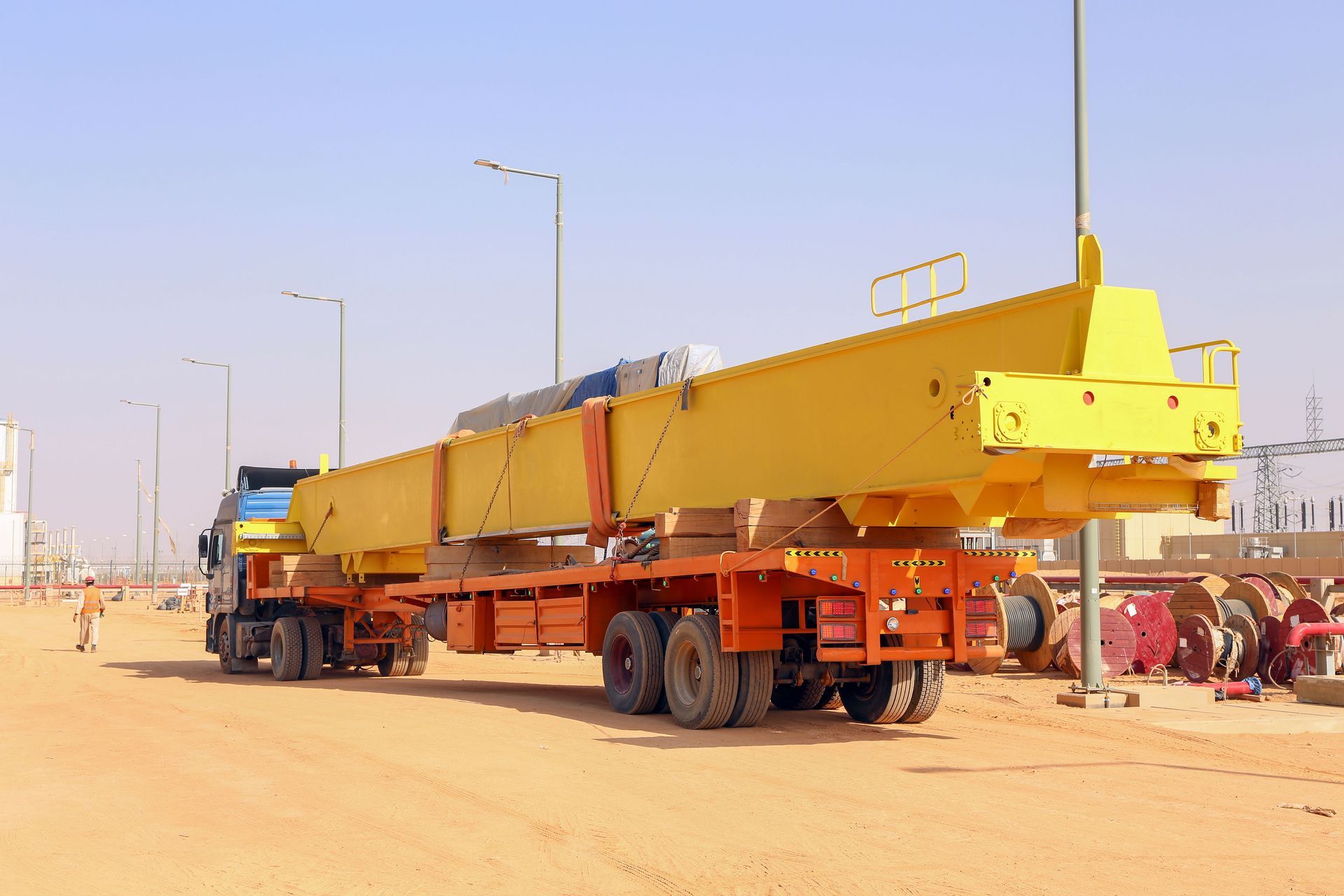
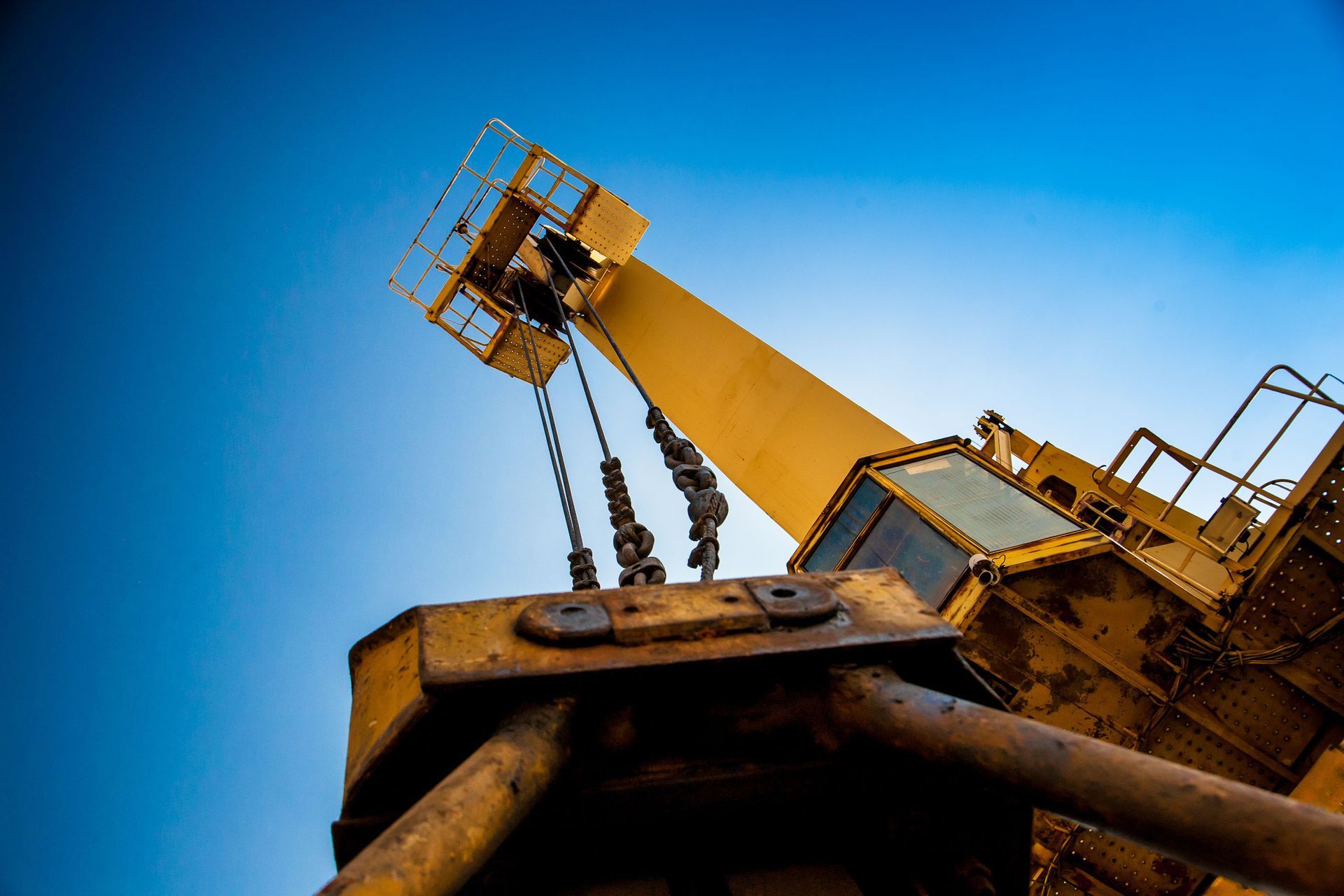
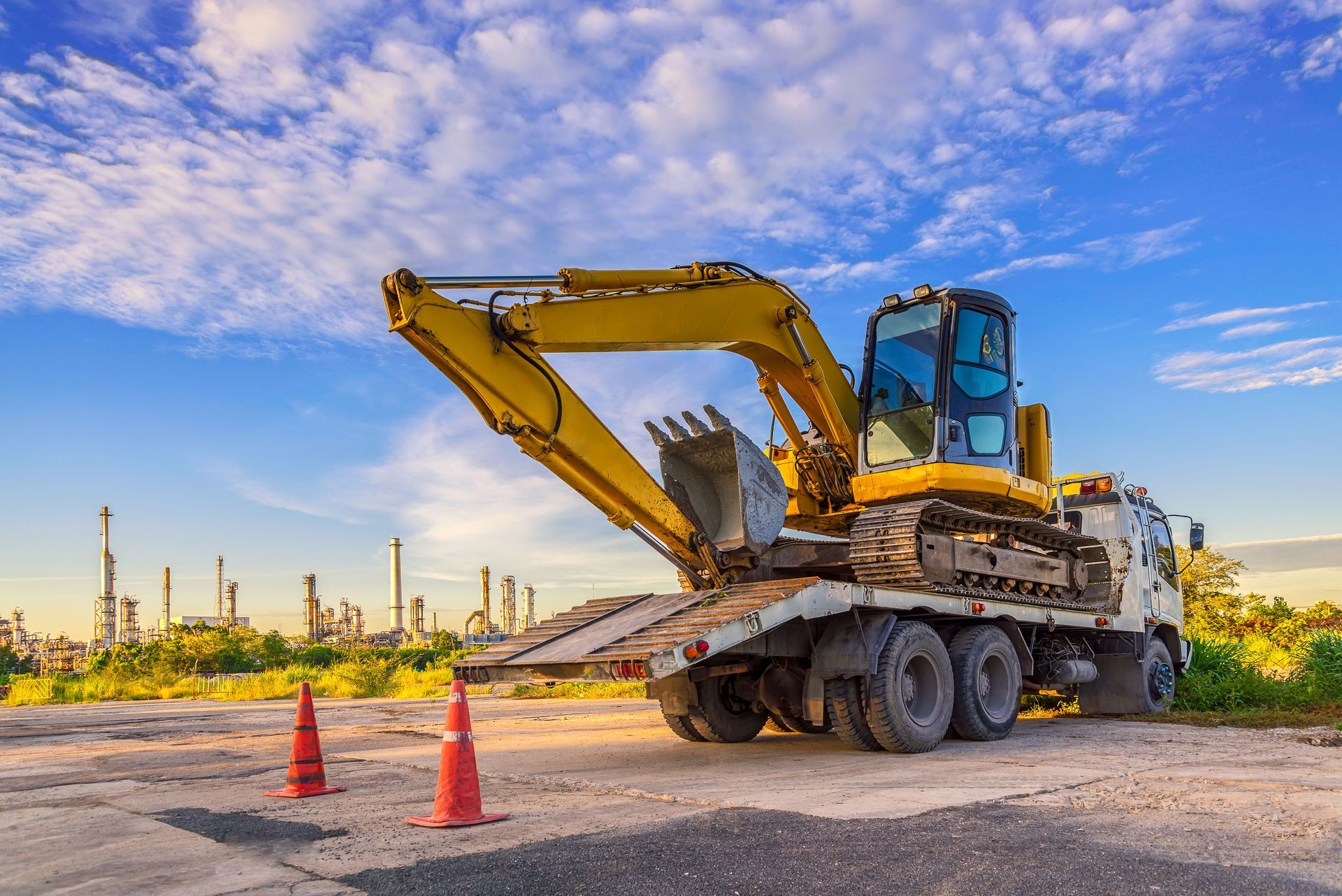
Using specialized loading techniques and equipment ensures that heavy items are moved quickly and safely. For example, cranes, forklifts, and flatbed trucks designed for industrial rigging allow for the precise placement of materials, reducing the time needed to maneuver equipment manually. Efficient loading procedures also decrease the likelihood of accidents, which can further disrupt project timelines. Investing in the right technology can make these processes both faster and more accurate.
Another benefit is the reduction of repeated handling. When equipment is loaded efficiently the first time, materials can be delivered directly to the exact location needed on the job site. This eliminates the need to move items multiple times, saving hours of labor over the course of a project. Teams often find that eliminating unnecessary handling not only saves time but also reduces wear on tools and machinery.
Finally, training operators in proper heavy equipment loading practices ensures that the process is not only fast but also safe. Skilled operators can anticipate potential obstacles, handle unexpected weight shifts, and adjust strategies on the fly. This proactive approach keeps projects on schedule and avoids costly delays caused by accidents or equipment mishandling.
2. Enhancing Project Coordination and Planning
Efficient heavy equipment handling also improves overall project coordination. Projects with multiple teams working simultaneously require precise timing to ensure materials and machinery are where they need to be. When loading operations are streamlined, project managers can plan deliveries and workflows more effectively. Clear timelines and resource management often prevent costly last-minute adjustments.
Proper scheduling of equipment and materials ensures that each phase of construction has the necessary resources available. For instance, if heavy equipment arrives ahead of schedule, crews can continue work without interruptions. Conversely, if equipment is delayed due to poor loading practices, the entire project timeline can be affected. Having a well-structured schedule reduces confusion and keeps every team aligned with the project goals.
Additionally, heavy equipment loading facilitates better communication among teams. Operators, riggers, and project managers can synchronize efforts to reduce bottlenecks and optimize the movement of resources across the site. This level of coordination allows for smoother transitions between different stages of the project, which can significantly shorten completion times. Regular updates and status checks ensure that everyone remains informed and proactive.
Investing time upfront to map out loading sequences and prioritize high-demand equipment also allows for better resource allocation. This approach ensures that the most critical components arrive first, preventing idle periods and keeping all team members productive throughout the project lifecycle.
3. Reducing Equipment Wear and Maintenance Costs
Another way heavy equipment loading speeds up a project is by reducing wear and tear on machinery. Improper loading can place unnecessary stress on equipment, leading to breakdowns and extended downtime. By focusing on proper loading techniques, operators can protect the longevity of expensive machinery and avoid costly repairs. Maintaining equipment properly often extends its lifespan and improves project reliability.
Well-planned loading ensures that heavy machinery is balanced and secured correctly during transport. This prevents damage to hydraulic systems, tires, and structural components, which can otherwise lead to unexpected downtime. When equipment remains in peak condition, projects can continue smoothly without interruptions caused by equipment failure. Properly secured loads also improve safety during transit.
Routine checks and preventive measures during the loading process help identify potential mechanical issues before they become critical. For example, inspecting cranes or forklifts for loose parts or hydraulic leaks during loading can prevent accidents that would otherwise halt work for days. These inspections can also help schedule maintenance proactively rather than reactively.
According to Business Insights Research, the international market for industrial rigging services was valued at $2.52 billion in 2024 and is expected to reach $2.75 billion in 2025. This growth highlights the increasing importance of specialized services like heavy equipment handling, as companies recognize the financial and operational benefits of protecting their machinery and maintaining efficiency. Investing in expert rigging services ensures that projects stay on schedule and equipment remains in excellent condition.
4. Increasing Safety and Reducing Risk
Safety is a top concern on any construction site, and efficient heavy equipment loading plays a crucial role in reducing risks. Unsafe loading practices can result in serious accidents, injuries, and even fatalities, all of which can halt a project and increase costs dramatically. By implementing industry-standard safety procedures, projects can continue with minimal interruptions. Safety protocols also build trust among team members, creating a more cooperative work environment.
Securing loads properly prevents equipment from shifting during transport, which reduces the likelihood of tipping or falling objects. Operators trained in rigging and load management can anticipate and mitigate hazards before they become problems. Safety-conscious loading also protects workers on the ground, ensuring that everyone on site can focus on their tasks without unnecessary danger. The proper use of safety equipment and signage further reinforces these precautions.
Another advantage of prioritizing safety in heavy equipment handling is compliance with regulatory standards. Construction and industrial projects are subject to strict guidelines governing how machinery and materials must be handled. Adhering to these rules not only prevents fines and legal issues but also fosters a culture of safety that improves team morale and productivity. Consistent compliance also reduces the likelihood of insurance claims or legal disputes.
The confidence that comes from knowing your equipment and materials are loaded safely enables crews to work more efficiently. When workers are not concerned about potential hazards, they can complete tasks faster and more accurately, ultimately accelerating the overall project timeline.
Heavy equipment loading is a critical component of project management that often goes unnoticed. By minimizing downtime, enhancing coordination, reducing wear on machinery, and promoting safety, efficient loading practices can dramatically speed up construction and industrial projects. Investing in skilled operators and proper equipment ensures that every stage of the project flows smoothly, keeping teams productive and deadlines achievable. Taking the time to implement these strategies early can save significant effort and cost later.
As projects grow in scale and complexity, the importance of heavy equipment handling will only continue to rise. Organizations that prioritize efficiency and safety in this area can gain a competitive edge, reducing costs and completing projects faster. Whether you are managing a small site or a large industrial operation, implementing best practices in heavy equipment handling is an investment that pays off in both time and resources. Projects that embrace these techniques consistently outperform those that overlook proper loading strategies.
Take your project to the next level with quality heavy equipment loading and unloading services from Nunn's Construction Co, Inc. Contact us today to ensure your materials and machinery are moved safely, efficiently, and on schedule.